
Loft Conversion Costs and Timelines for 2026 in the UK
If you want your new loft ready for cosy autumn evenings and efficient winter heating, the smartest move is to plan now. Design, approvals, and
Thinking about a loft conversion but worried it will turn your home upside down? You’re not alone. The good news is that with careful planning, clear communication, and tidy site management, the process can be far smoother than you might imagine. At Pro Loft Conversions, our goal is to deliver a beautiful new space with as little disruption as possible, while keeping you informed at every stage.
In this guide, you will find what typically happens day by day, how we reduce noise and dust, and practical steps you can take to make everything run even more smoothly.
A well managed loft conversion is far less disruptive than most ground floor works, because the activity is largely contained to the roof level. For most of the build, access is via scaffolding and external openings, which means the team can work upstairs while your daily life continues downstairs.
Here is what you can expect.
Timelines vary by conversion type. As a guide, Velux conversions are typically 3 to 5 weeks, dormers 6 to 8 weeks, hip to gable 7 to 9 weeks, and mansards 8 to 12 weeks, depending on site access, structure, approvals, and interior fit out.
Over 30 years of experience has shaped how we plan and run projects. Our three phase process keeps the build tidy and predictable.
Throughout, you will have a single point of contact and regular progress updates. If something needs adjusting, we discuss it promptly so there are no surprises.
Every home is different, but most projects follow a similar rhythm.
If you want a deeper look at timing, see our guide on how long does a loft conversion take.
A few simple steps from you can make a big difference to comfort and speed.
We treat your home as if it were our own. That means:
We also prioritise thermal and acoustic comfort. Insulation is installed to meet compliant U values, which reduces heat loss and helps dampen sound inside the new loft.
You will know what is happening, when it is happening, and why. We share a clear schedule up front and update you regularly. If weather affects external work or a supplier changes a delivery date, you will hear from us with a revised plan. You will always have a direct contact who can answer questions quickly.
Most clients stay at home throughout. The only times you might consider a short break are when plastering is drying in cooler months or if you prefer to be away during the stair opening. If you do choose a few days out, we will plan our work to make best use of that window.
A loft conversion does not have to disrupt your life. With careful planning, dust control, and steady communication, the process can be contained and predictable. You can help by clearing the loft, planning access, and sharing your routine so we can schedule around it.
If you are exploring options and want a team that prioritises your comfort, we would love to help. Start with a free, no obligation chat and an instant quote.
If you are comparing estimates, our price match guarantee means you can proceed with confidence. Ready to turn unused space into something special? Talk to the loft conversion specialists at Pro Loft Conversions. For local insight and inspiration, you can also browse our overview of loft conversions and our detailed guide to a dormer loft conversion.
Recent studies show that a loft conversion that added a double bedroom and bathroom to a three-bed, one-bathroom house can add over 20 per cent to its value.
If you want your new loft ready for cosy autumn evenings and efficient winter heating, the smartest move is to plan now. Design, approvals, and
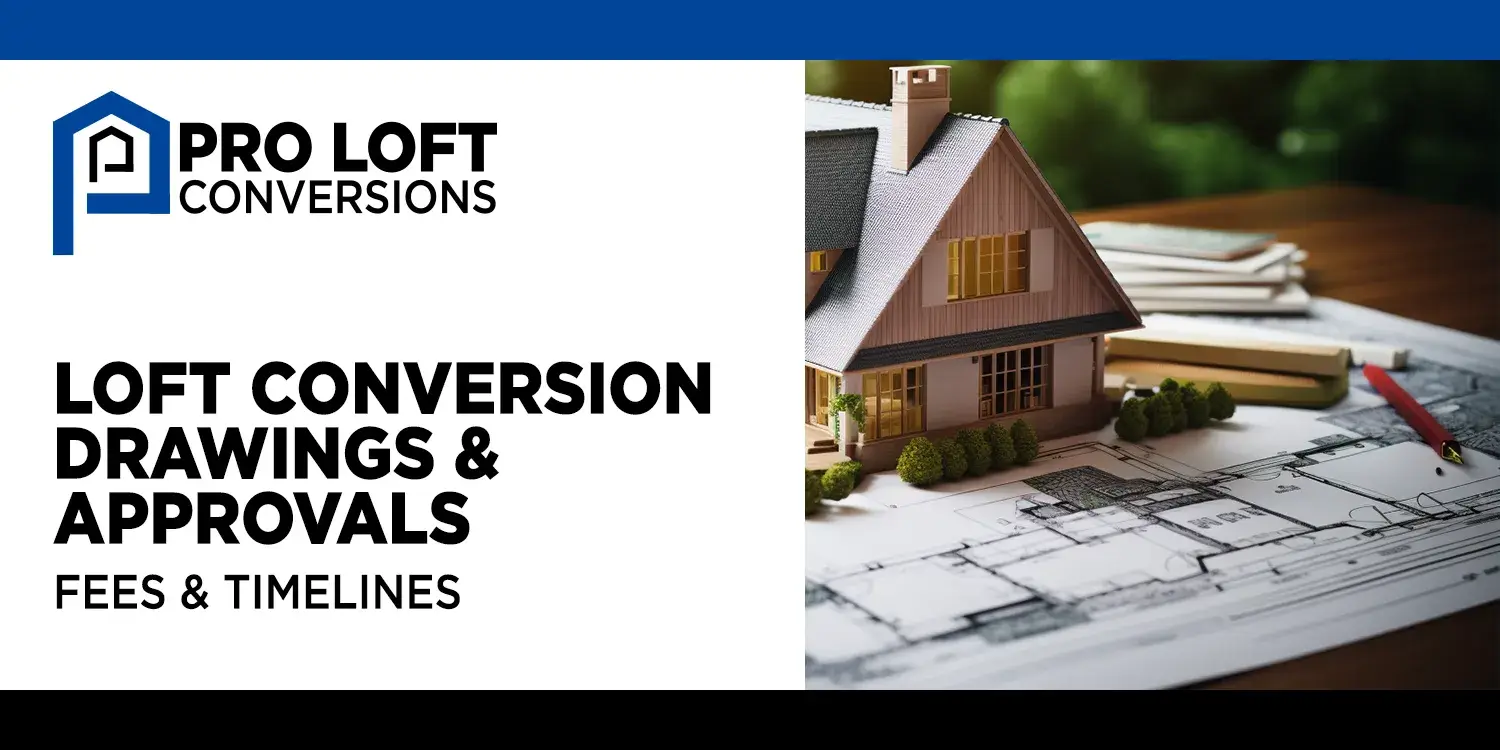
You have decided this is the year to unlock space in your roof. The fastest route to a late-summer build is to get your design

Thinking about unlocking space at the top of your home this spring? A well planned loft conversion can deliver a bright new bedroom, a quiet
Start planning your new loft space with an idea of the cost involved. Get an instant quote today. All quotes are of course subject to a site survey.
Start planning with an idea of the cost involved. Get an instant quote today! All quotes are subject to a site survey.
This website uses cookies to ensure you get the best experience on our website, by continuing we’ll assume you are okay with this. For more information please visit our Privacy Policy page.